
When someone searches for a product online, they usually click on the listings that clearly explain what the product is, why it’s useful, and why they should trust the seller. This is where Product Listing SEO becomes essential.
Product Listing SEO is the process of optimizing product pages so they appear higher in search engine results and attract the right buyers. It involves improving important elements like product titles, descriptions, images, keywords, and structured data so search engines can understand the product and show it to people who are actively searching for it.
For online stores, product listings are more than just a page with a price and image. They act as a sales page, search entry point, and trust signal all at once. A well-optimized listing helps customers quickly understand the product’s benefits, compare it with alternatives, and make a buying decision with confidence.
When done correctly, product listing SEO can bring consistent organic traffic without relying heavily on paid ads. Instead of chasing visitors through advertising campaigns, your product pages start attracting buyers who are already searching for similar items.
In simple terms, better product listings lead to better visibility, more qualified traffic, and higher chances of sales. That’s why product listing optimization has become a core strategy for modern e-commerce growth.
What Is Product Listing SEO?

Product Listing SEO is the process of optimizing individual product pages so they rank higher in search results and attract shoppers who are actively looking to buy. It focuses on improving key elements of a product page, such as the product title, description, images, keywords, and structured data, so search engines clearly understand what the product is and when it should appear in search results.
Simple Definition of Product Listing SEO
In simple terms, product listing SEO means making your product pages easier for search engines to understand and easier for customers to find. When a listing is properly optimized, it can appear in product searches, shopping results, and marketplace listings where potential buyers are already searching.
Product SEO vs General SEO
While general SEO focuses on improving the visibility of blogs, guides, or website pages, product SEO is specifically designed for commercial and buyer-intent searches. Product listing optimization targets keywords people use when they are closer to making a purchase, such as product names, features, and comparisons.
Where Product Listings Appear
Optimized product listings can appear in multiple places, including search engine results, shopping carousels, and e-commerce platforms. They are commonly found on online store product pages, large marketplaces, and search result sections dedicated to products.
Because of this visibility, strong product listing SEO helps businesses reach shoppers exactly when they are searching for products to buy.
Why Product Listing SEO Matters for E-commerce
For any online store, Product Listing SEO plays a major role in how easily customers can discover products. When product pages are optimized properly, they don’t just exist on a website, they become visible to shoppers who are actively searching for similar items.
Increases Organic Traffic to Product Pages
One of the biggest advantages of product listing optimization is the ability to attract consistent organic traffic. When product titles, descriptions, and keywords match what users search for, search engines are more likely to show those pages in relevant results. This means your product pages start bringing visitors without relying only on promotions.
Improves Product Visibility in Search Results
Optimized product listings help search engines clearly understand what the product is, its features, and who it is for. As a result, your listings have a better chance of appearing in product searches, shopping results, and category-based queries, increasing overall product visibility.
Boosts Conversion Rates and Sales
Good product SEO is not only about traffic, it’s also about attracting the right audience. When people land on a well-structured product page with clear details, optimized images, and useful information, they are more confident in making a purchase.
Reduces Dependency on Paid Ads
Many e-commerce stores rely heavily on advertising to generate traffic. With strong product listing SEO, product pages can generate consistent organic visitors, helping businesses reduce long-term marketing costs while still maintaining steady sales.
How Product Listing SEO Works
To understand Product Listing SEO, it helps to know how search engines analyze and rank product pages. Search engines evaluate several signals to decide whether a product listing is relevant to a user’s search.
Here are the main factors that make product SEO work:
-
How Search Engines Understand Product Pages
Search engines scan product titles, descriptions, images, URLs, and internal links to understand what the product is and who might be searching for it. -
Role of Keywords in Product Listings
Using relevant product keywords, buyer-intent phrases, and long-tail search terms helps search engines match your listing with the right search queries. -
Importance of Structured Product Data
Structured product data (schema markup) provides clear details like price, availability, ratings, and product type, which can help listings appear with rich results in search pages.
When these elements are optimized together, product listing optimization improves visibility, helping the right shoppers discover your products more easily.
Key Elements of a Perfectly Optimized Product Listing
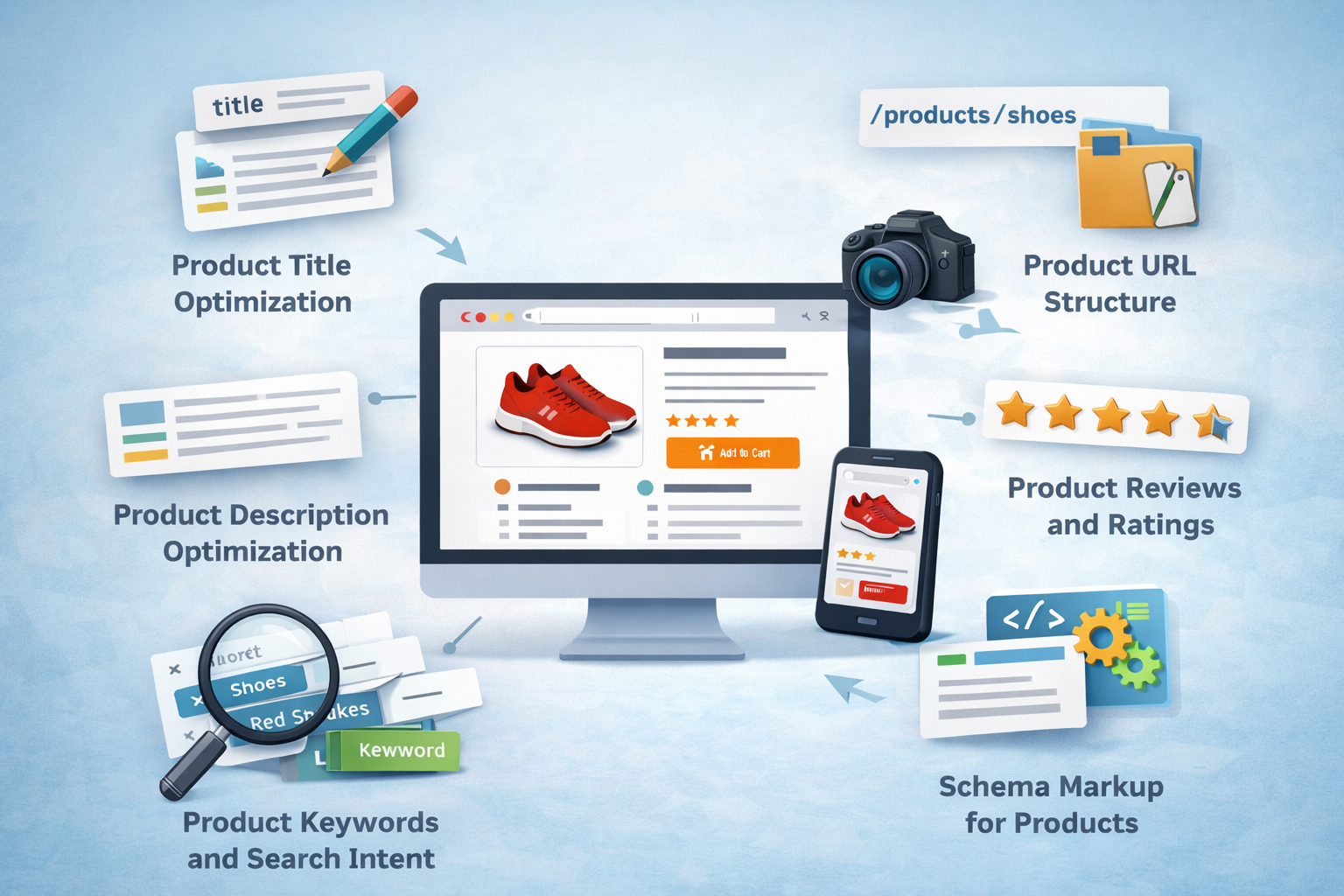
A strong product listing SEO strategy focuses on optimizing every important part of a product page. Each element helps search engines understand the product better while making the page more useful for potential buyers. When these elements work together, they improve product visibility, search rankings, and conversion potential.
Product Title Optimization
The product title is one of the most important ranking signals in product SEO. A clear, keyword-focused title helps search engines and shoppers instantly understand what the product is. The best titles naturally include the primary keyword, brand name, and key product features without sounding forced.
Product Description Optimization
A well-written product description explains the product’s benefits, features, and use cases. Writing unique descriptions is essential because duplicate content can weaken search performance. Clear, helpful descriptions also build buyer confidence.
Product Images Optimization
Product images should be optimized with descriptive file names and alt text so search engines can interpret them. High-quality images that load quickly also improve page experience and engagement.
Product Keywords and Search Intent
Choosing the right buyer-intent keywords is critical. Combining long-tail keywords with broader search terms helps product listings appear in both specific and general searches.
Product URL Structure
An SEO-friendly product URL should be short, readable, and include the main keyword. Clean URLs help search engines understand page relevance and improve user trust.
Product Categories and Tags
Proper categories and tags organize products within the store, improving navigation and strengthening internal SEO connections between related products.
Product Reviews and Ratings
Customer reviews and ratings build credibility and provide fresh content on product pages. They also increase trust and can improve click-through rates from search results.
Schema Markup for Products
Using product structured data helps search engines display enhanced results like price, availability, and star ratings directly in search listings, making products more noticeable to potential buyers.
Common Product Listing SEO Mistakes to Avoid
Even well-designed product pages can struggle to rank if basic product listing SEO mistakes are ignored. Many e-commerce stores unknowingly reduce their search visibility because of small optimization errors. Avoiding these issues can significantly improve product page rankings, user experience, and organic traffic.
Here are some common mistakes to watch for:
-
Copy-Paste Product Descriptions
Using manufacturer descriptions across multiple sites creates duplicate content. Writing unique product descriptions helps search engines understand the value of your page and improves product SEO performance. -
Keyword Stuffing
Adding the same keyword repeatedly in titles or descriptions makes content difficult to read and can harm rankings. Natural keyword usage works far better for both users and search engines. -
Missing Image Alt Text
Product images without descriptive alt text lose an opportunity to appear in image search results and make it harder for search engines to understand the product. -
Poor Product Titles
Generic or unclear titles reduce click potential. A well-structured title should include the main product keyword and important details. -
Ignoring Mobile Optimization
Most shoppers browse products on mobile devices. Slow-loading pages or poorly formatted layouts can negatively impact both user experience and search visibility.
Product Listing SEO Checklist
Step-by-Step Optimization Checklist
Use this quick Product Listing SEO checklist to make sure every product page is properly optimized for search visibility and conversions.
✔️ Write a clear, keyword-focused product title (include primary keyword naturally)
✔️ Create a unique product description that explains features and benefits
✔️ Add relevant buyer-intent keywords naturally in the content
✔️ Use high-quality product images with descriptive file names
✔️ Add image alt text with relevant product keywords
✔️ Keep the product URL short, clean, and keyword-friendly
✔️ Organize products with proper categories and tags
✔️ Enable customer reviews and ratings to build trust
✔️ Add product schema markup for rich search results
✔️ Ensure the page is mobile-friendly and loads fast
Following this checklist helps improve product listing optimization, search rankings, and buyer experience.
Final Thoughts
Strong Product Listing SEO can make a significant difference in how easily customers discover your products online. When product titles, descriptions, images, keywords, and structured data are properly optimized, search engines can better understand your listings and show them to the right audience.
Instead of relying only on ads, a well-optimized product page can attract consistent organic traffic and qualified buyers. By focusing on clear information, search intent, and user experience, e-commerce stores can improve visibility, build trust, and increase long-term sales.
Read More Blogs:
How to Grow eCommerce Sales Fast: Proven Strategies for 2026
How to Create Product Listings with AI in 1 Click
Tags
Related Articles
![How to Calculate Profit Margin for Amazon, Flipkart & Meesho Sellers [Free Tool]](https://res.cloudinary.com/dirxmlqvw/image/upload/f_auto,q_auto,w_1080,c_limit/v1782261330/blog-images/apanivjsqzhts0qndw2v.png)
How to Calculate Profit Margin for Amazon, Flipkart & Meesho Sellers [Free Tool]
Selling products online in India is an incredibly exciting journey. Whether you are scaling a househ...

Free Image Resizer for Amazon, Flipkart & Meesho: Get Your Listings Approved in Seconds
If you sell products online, you already know the sinking feeling. You’ve spent hours writing ...
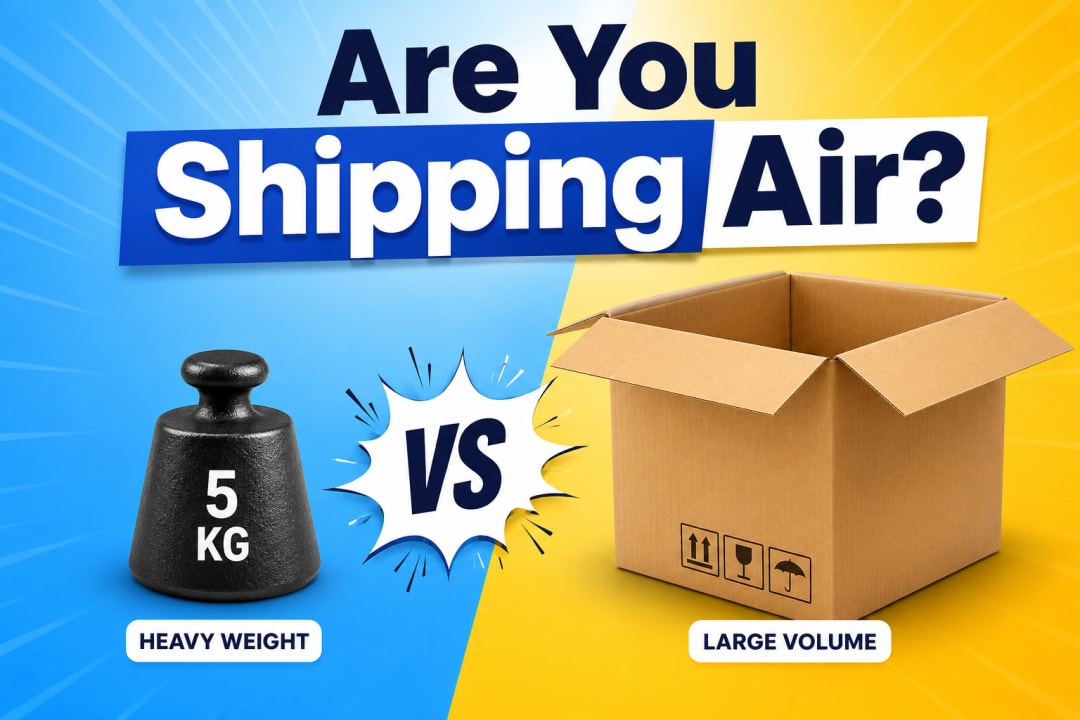
Volumetric Weight Calculator for Ecommerce Sellers: How to Calculate Shipping Weight & Save on Courier Costs
Ever opened your monthly courier invoice, scanned the total, and let out a heavy sigh? You weighed y...